Understanding Bias in Media - Made by Zach Nichols
Definition
Media bias refers to the perceived or actual partiality in the selection, presentation, and analysis of information in the media. It can influence public opinion and decision-making.
Examples
The Truman Show
A satirical take on media control and its influence on perception.

The Social Dilemma
Explores how algorithms shape what we see and believe online.

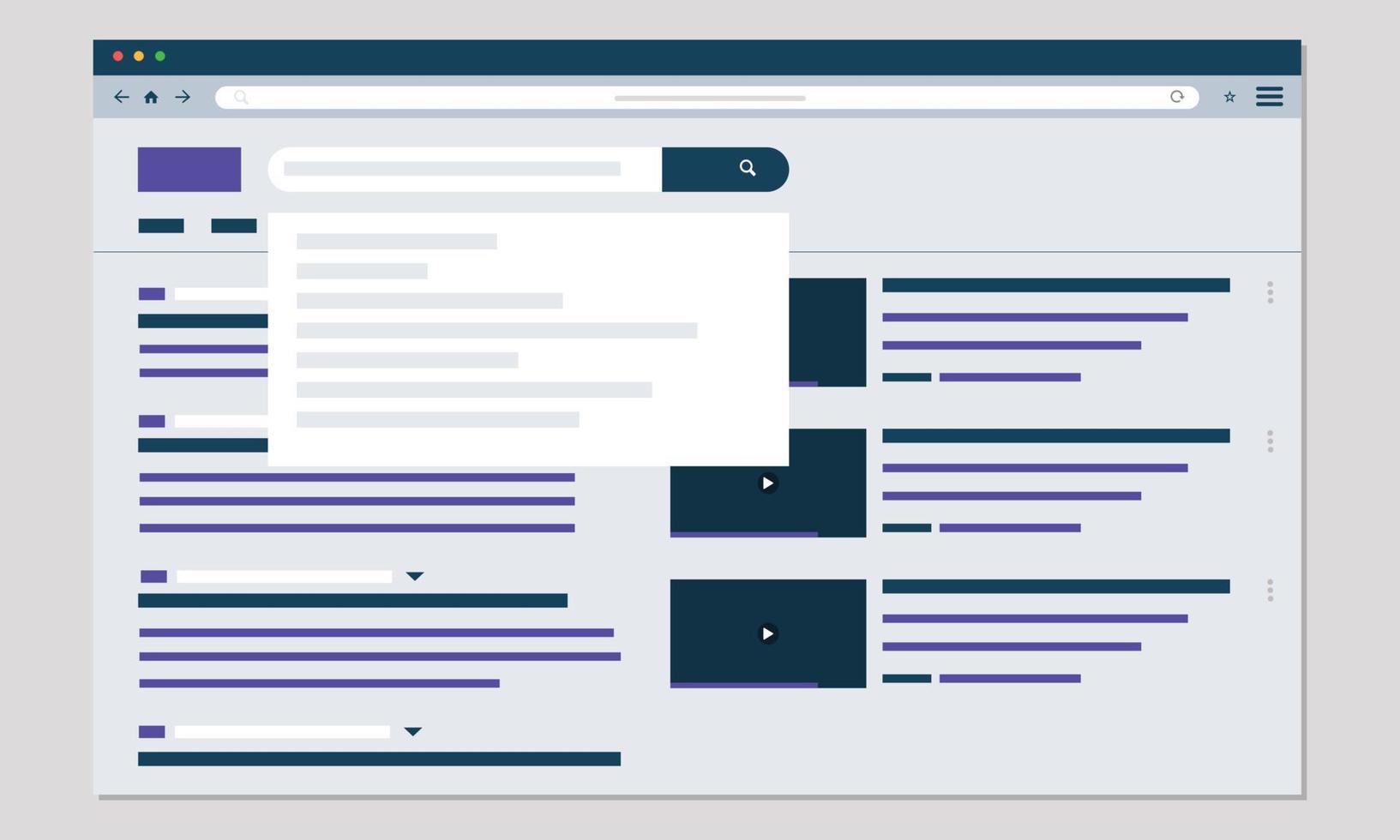
Google Search
Demonstrates how search results can be tailored, influencing views.
Types of Bias
Lies
Deliberate dissemination of false information.

Omitting Truth
Leaving out crucial facts to mislead audiences.

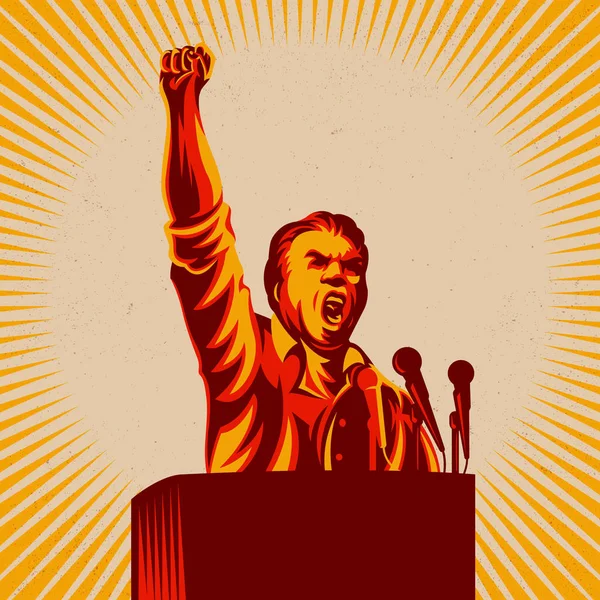
Propaganda
Information used to promote a particular agenda.
Algorithms
Systems designed to prioritize certain content, shaping perceptions.

Confirmation Bias
The tendency to favor information that aligns with pre-existing beliefs.

Bandwagon Bias
Adopting beliefs because they are popular.

Impact of Media Bias
Media bias affects public opinion, policy-making, and individual perspectives. It can lead to polarization, misinformation, and decreased trust in media institutions. Recognizing bias helps foster critical thinking and informed decision-making.

How to Identify Bias
- Analyze the source of the information.
- Look for language that suggests opinion rather than fact.
- Check multiple sources to compare perspectives.
- Be aware of your own biases.
